The PC-building world has lived by a bitter, unchanging rule for years: almost every time you want a new processor, you're forced to throw out your motherboard, sometimes your cooler, and even your memory. The "new socket requirement" that repeats every two generations, especially in the Intel ecosystem, has punched a serious hole in end users' budgets and worn hardware enthusiasts down.
Right in the middle of this cycle, AMD stepped onto the stage with a consumer-friendly commitment that has stirred up the hardware world: it is now official that AM5 socket support will continue until at least 2029. So how is it possible, from an engineering standpoint, to keep a single platform alive for so many years in an age when technology becomes obsolete at the speed of light?
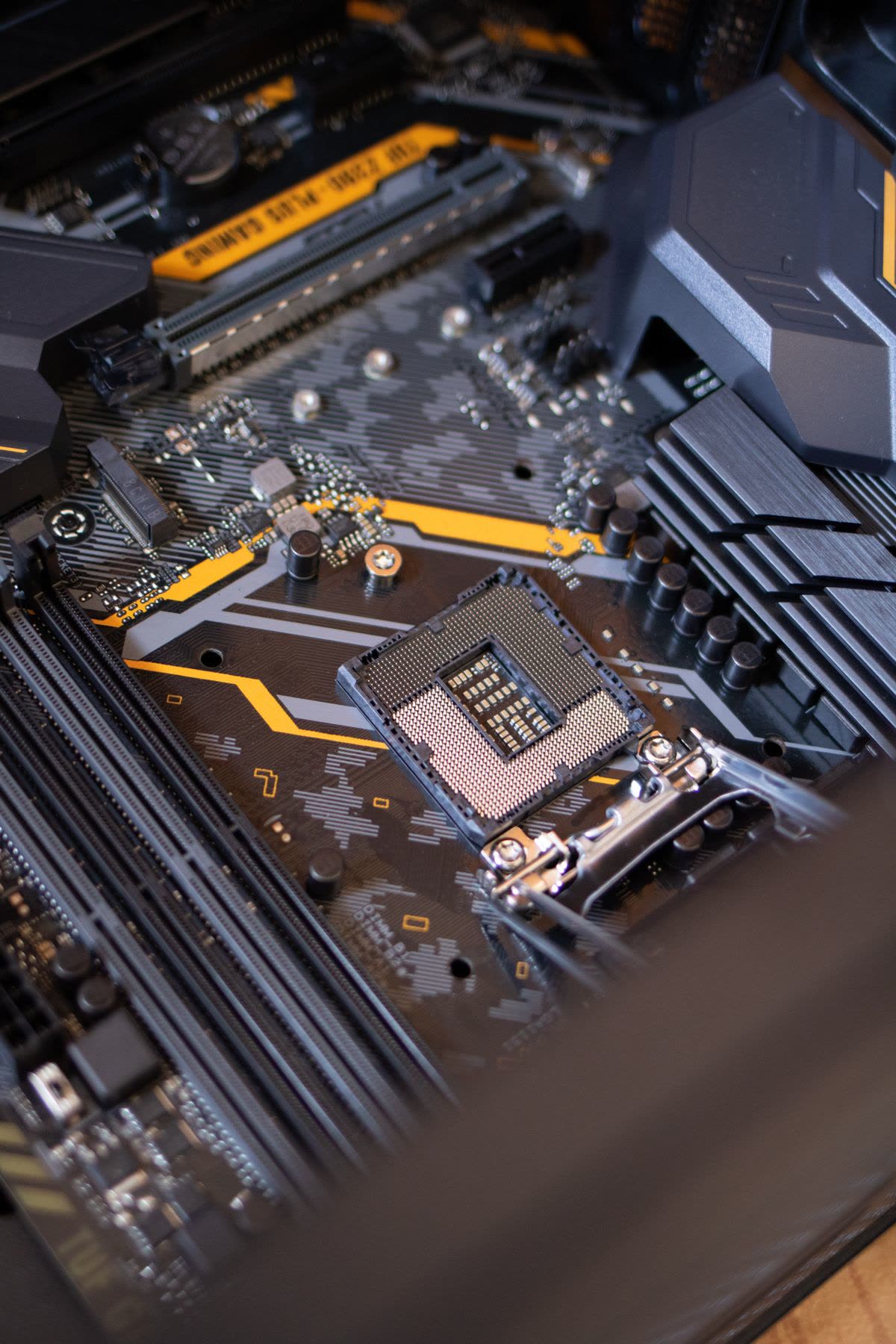
LGA 1718 contact points: a stable balance of long-term power delivery and PCIe 5.0 data lanes.
The AM4 Legend Continues: Longevity in Substance, Not Just in Promise
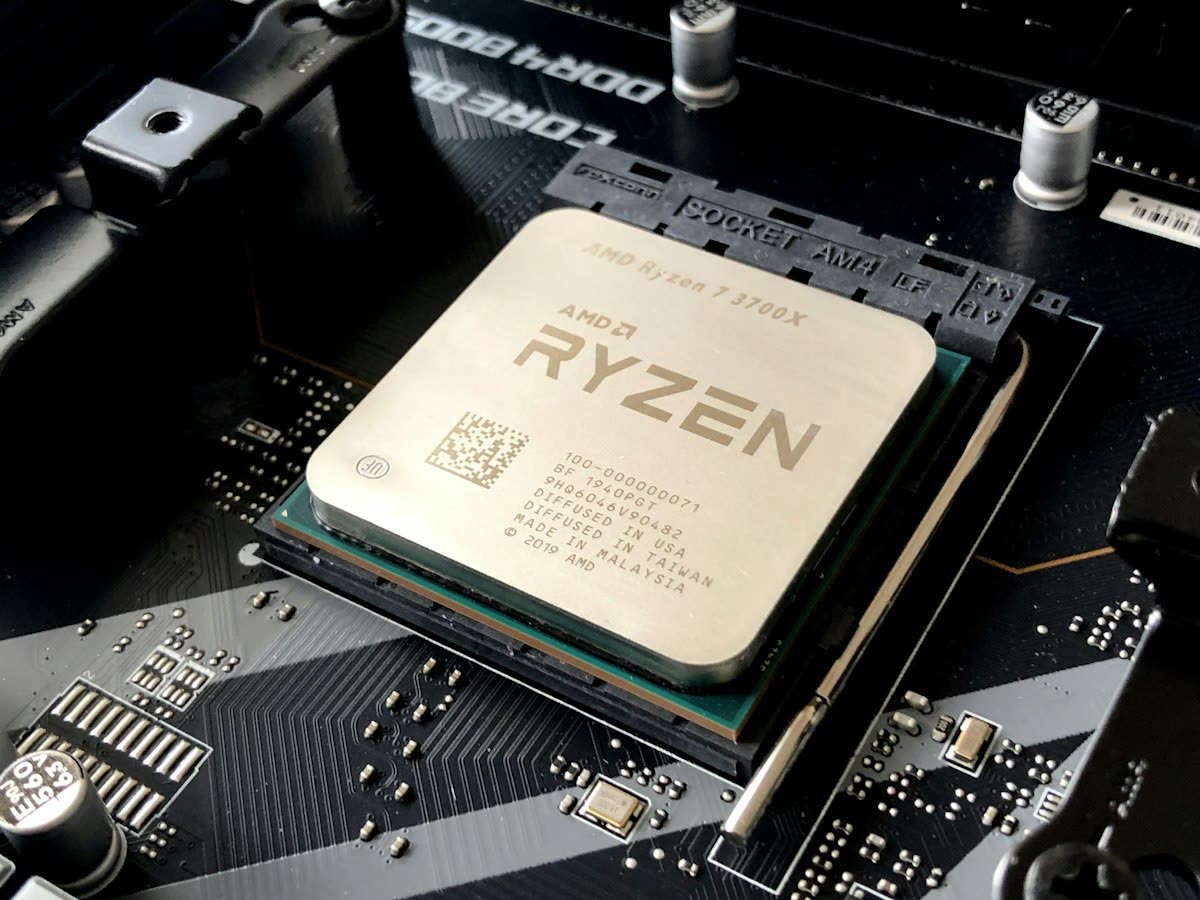
AMD's confidence rests on a solid track record. Announced in 2016, the AM4 socket hosted a full 5 generations of processors, from the first-generation Ryzen 1000 series all the way to the legendary Ryzen 5000 and the 3D V-Cache-powered 5800X3D. Users who leapt ahead a generation with nothing more than a simple BIOS update on a motherboard they had bought years earlier became loyal AMD fans.
Now the same strategy is being taken a step further on the AM5 platform. Born with the DDR5 memory and PCIe 5.0 standards, the AM5 socket will directly host Zen 5, Zen 6 and likely subsequent architectures arriving through 2029.
"Making a hardware platform last is not just a marketing decision; it means over-engineering the socket's power pins from day one for future thermal and current requirements."
Behind the Engineering: How Will 1718 LGA Pins Carry This Load?
So what is the biggest engineering hurdle in extending a socket's lifespan? As next-generation chip architectures shrink, the current density they draw increases. When AMD abandoned AM4's pin-grid (PGA) design and moved to the LGA 1718 layout, with the pins on the motherboard, it sized the power rails (Vcore and SoC voltages) very generously with the future in mind.
Thanks to this, even if transistor geometry drops to 2 nanometers and below by 2029, the motherboard's VRM (Voltage Regulator Module) design and the socket's pin contact resistance will still be able to feed next-generation processors reliably.
- Investment Protection: A B650 or X670 motherboard bought in 2024–2026 being able to run the flagship processor released in 2029.
- DDR5 and PCIe 5.0 Stability: The ability to eliminate system bottlenecks by swapping only the CPU, with no platform change.
- Less Electronic Waste: An eco-friendly upgrade cycle that avoids constantly discarding motherboards and cooler brackets.
A Psychological and Economic Edge over Intel
In users' hardware choices, "sustainable cost" is as decisive a factor as raw performance. While Intel changes sockets with every new architecture (LGA 1700, LGA 1851, etc.) and pushes users into the expense of a new motherboard, AMD's 2029 commitment offers predictable budget security for both business and individual users.
Especially now, as AI workloads and data processing needs keep growing, concepts such as sustainable power electronics and green architectures have made their way all the way down to the end user's desk.
Conclusion: The Consumer Will Be the Winner
We have seen promises in the tech world sometimes sacrificed to market conditions. But AMD's honest track record during the AM4 era makes its 2029 promise for AM5 highly credible.
Being able to enjoy the latest architecture for 5-6 years just by upgrading the processor is not a luxury in today's economic climate; it is the most valuable consumer win in the hardware world.
When building a system, is a motherboard that supports new processors for many years a deciding factor for you, or do you prefer switching to a brand-new platform with every upgrade? See you in the comments!