In the microprocessor market, the balance of power is no longer decided by raw clock speeds (GHz) alone; it is decided by architectural efficiency, instructions per cycle (IPC) and AI neural accelerators integrated at the silicon level. AMD, which raises the bar with every generation in both the desktop and server arenas, is opening the door to a supersonic era of computing with its new-generation Zen core architecture.
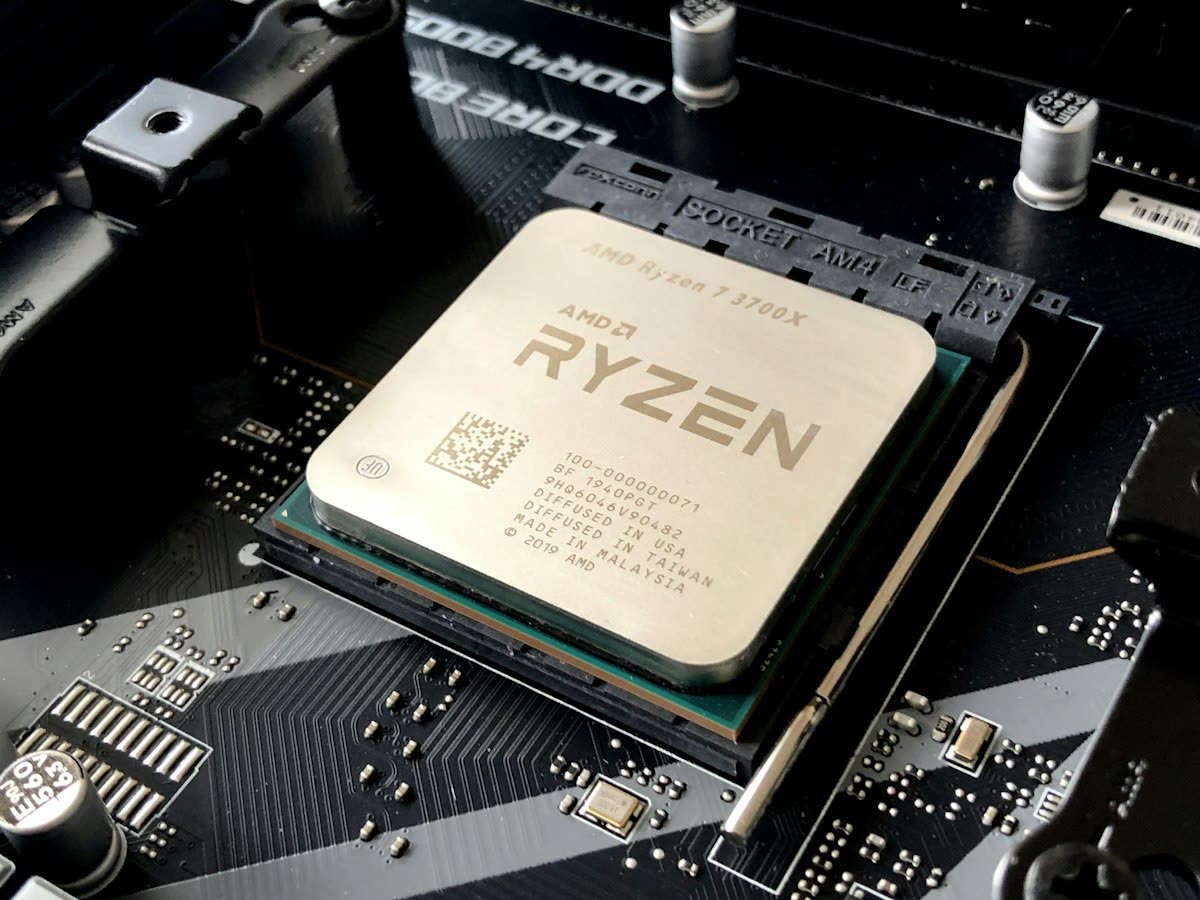
So, is it only high frequencies that make a processor "supersonic"? Or is it the microarchitectural optimizations on the silicon, advanced packaging technologies and energy efficiency per watt? Through the eyes of a computer and electrical-electronics engineer, we take a close look at the new-generation silicon heart of the AMD Ryzen platform.
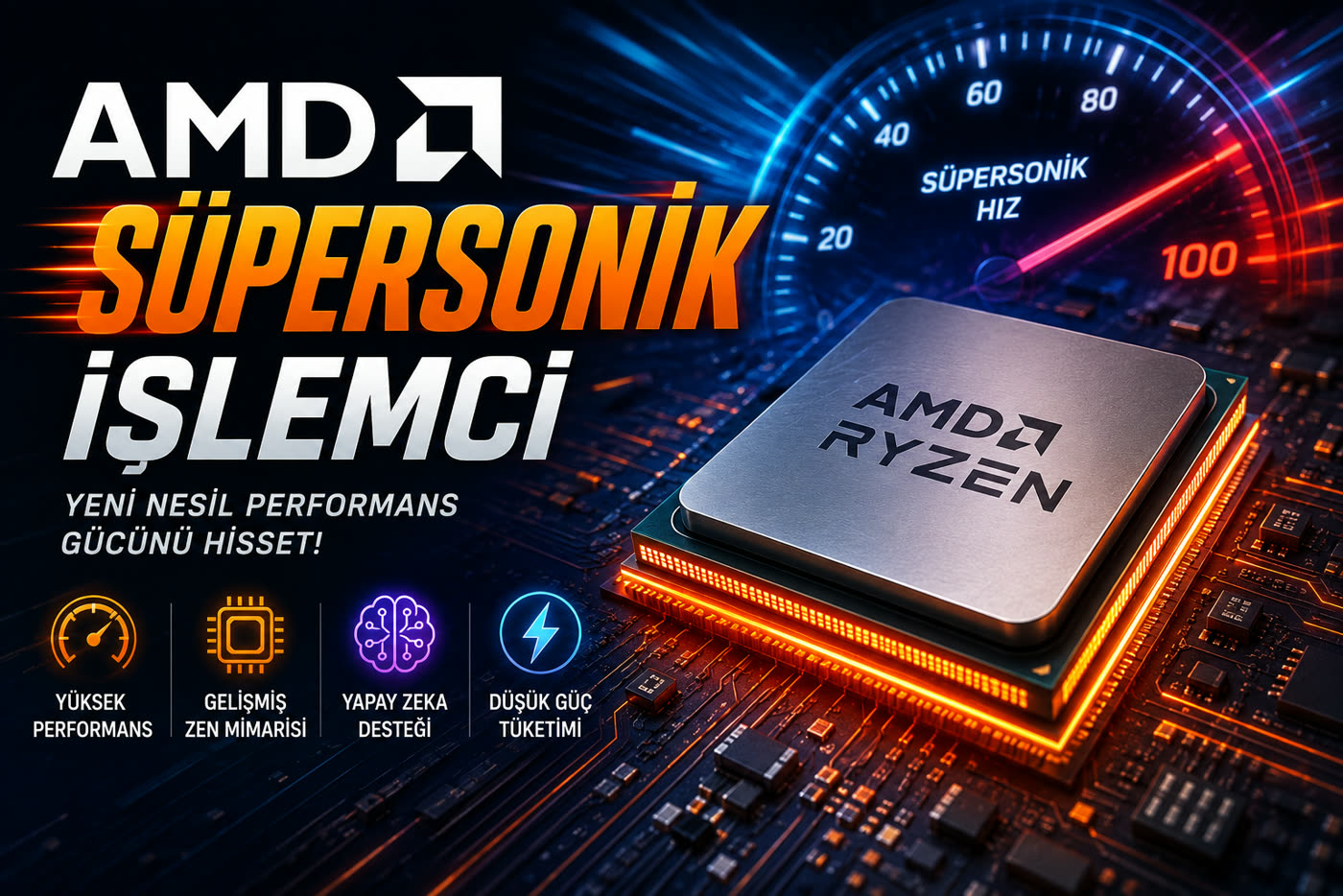
A supersonic transformation on silicon: advanced Zen cores, an integrated NPU engine and high power efficiency.
1. Advanced Zen Architecture: IPC Gains and Core Engineering
The biggest misconception in the processor world is that higher frequency always means more speed. The truly critical metric is IPC (Instructions Per Cycle). In the new Zen architecture, AMD rebuilt the branch prediction engine from the ground up, minimizing bubbles in the processing pipeline.
Thanks to wider execution units and a doubled instruction queue width, the cores deliver a net performance jump of more than 15% over the previous generation even at the same clock frequency. In practice, this means microsecond-level stutters in complex mathematical simulations and game engines drop to virtually zero.
"Supersonic speed is not measured only by how fast transistors switch on and off; it is measured by how much data can flow through the buses on every clock tick."
2. AI in Hardware: The XDNA NPU Engine on Silicon
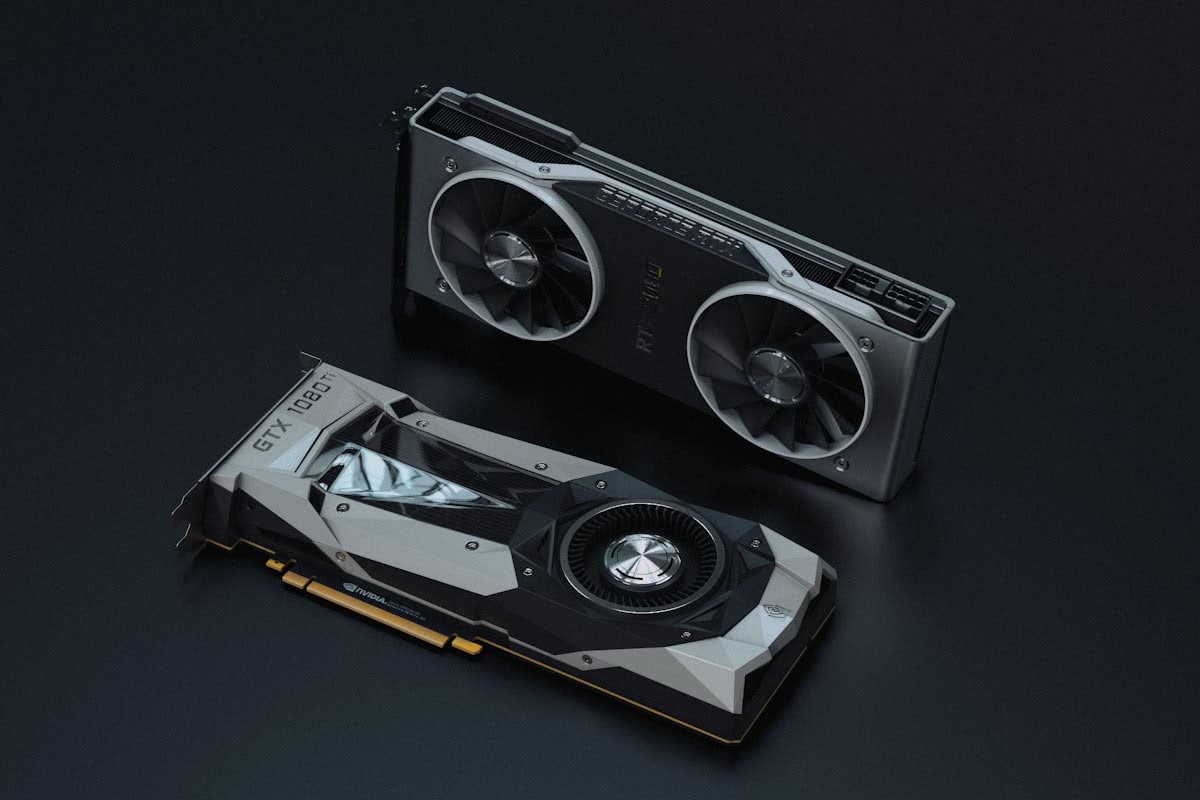
Running AI models has traditionally fallen on the shoulders of graphics cards (GPUs). In modern computing, however, continuous tasks such as background noise suppression, image processing and local language models wear the GPU down.
The XDNA-based NPU (Neural Processing Unit) that AMD embeds directly on the processor die runs matrix multiplications and tensor computations without tying up the main cores. With a local compute capacity exceeding 50 TOPS, this neural accelerator handles AI workloads on a remarkably small power budget of just a few watts.
| Key Feature | Technical Description | Benefit to the User |
|---|---|---|
| High Performance | 5.7+ GHz peak frequencies & dual-channel AVX-512 | Lag-free multitasking & instant response |
| Advanced Zen Architecture | Enlarged L1/L2 caches & low latency | Double-digit IPC gains and raw core power |
| AI Support | Integrated hardware NPU based on XDNA 2 | Run offline local AI models with zero battery strain |
| Low Power Consumption | TSMC 4nm/3nm advanced EUV lithography | Maximum compute per watt and cool operation |
3. Low Power Consumption: The Thermal Engineering of Efficiency
In electrical engineering, thermal management is silicon's guarantee of survival. Where rival architectures push the 250-300 watt limits and depend on massive liquid cooling blocks, AMD manages to reach the same performance within 65W - 120W TDP envelopes thanks to advanced FinFET/lithography optimization.
Holding high frequencies at low voltage minimizes leakage currents inside the cores. That means the system runs cooler, the fans in your case stay quiet, and the active power your power supply unit (PSU) draws from the grid goes down.
Conclusion: A New Power Standard on Silicon
AMD's supersonic architectural move proves that hardware is no longer just about piling on raw transistors; it has gained a hybrid intelligence through smart power delivery and neural processing units.
Advanced Zen cores and an integrated AI engine bring the computing power of the future to our desks today, while making every single watt drawn from the outlet count!
Are you running AMD Ryzen in your system? Do you think the AI neural engines (NPUs) built into processors could one day replace discrete graphics cards? Let's discuss in the comments!