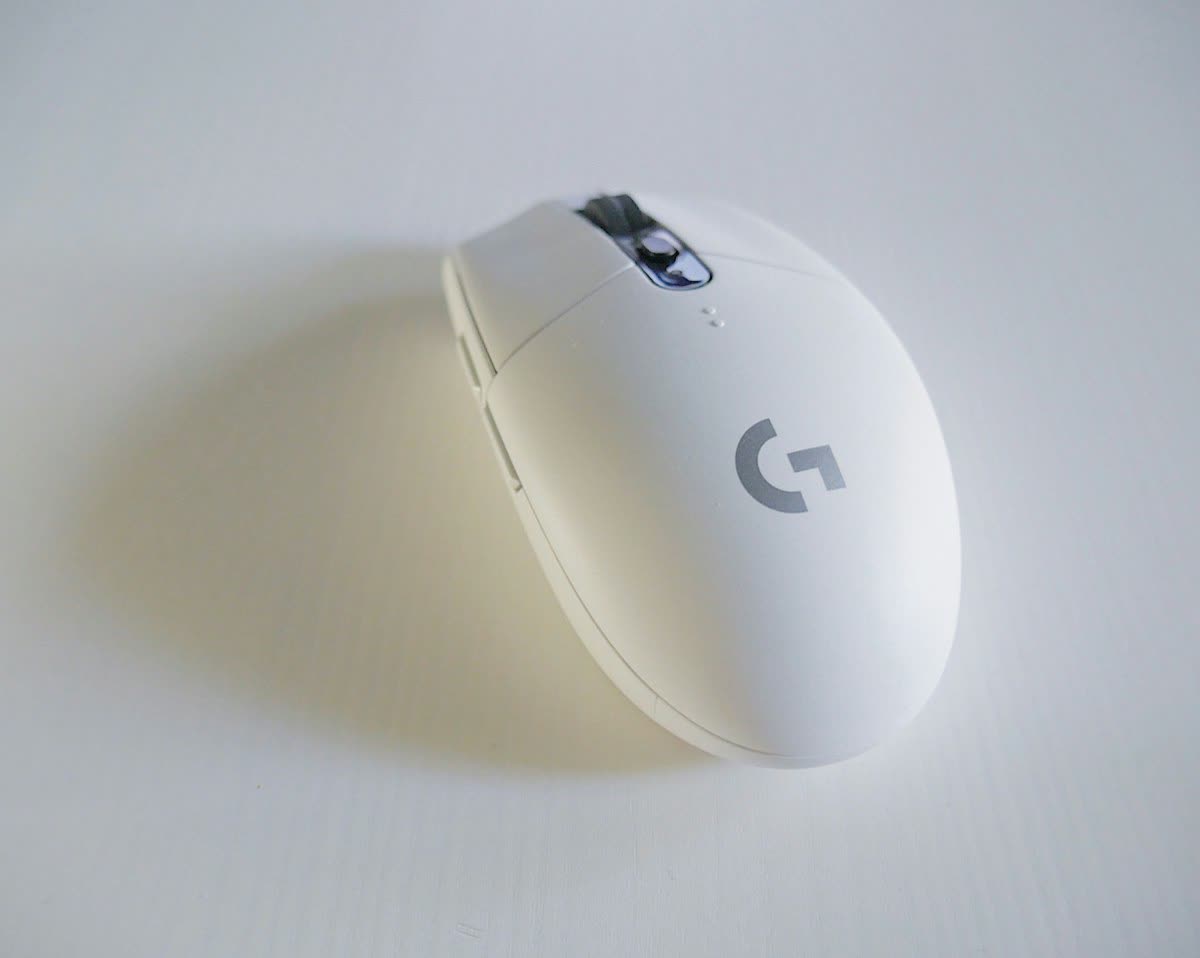
Have you ever paid attention to the players' desks while watching a major CS2, Valorant or League of Legends tournament? Despite dozens of different teams, sponsors and players on stage, every time the cameras zoom in on the desks you see almost the same minimalist, unlit and understated gear: the Logitech G Pro Series.
With dozens of aggressively styled gaming mice and keyboards on the market, loaded with RGB madness and perforated lightweight shells, is it a coincidence that the world's most elite esports players have made this series their default choice, or is it pure engineering success? Just as in next-generation hardware architectures, behind this success lies a battle of milliseconds and micrometres.
Simplicity and performance: a hardware philosophy focused on pure response time instead of flashy lighting.
1. The Technology That Broke the Wireless Myth: The Lightspeed Protocol
For years there was an unwritten rule in esports: "You don't use a wireless mouse at a tournament; it lags and the signal gets interference." When Logitech developed its Lightspeed wireless technology, which completely changed that perception, it brought signal transmission time below that of many wired mice (under 1 millisecond).
Thanks to proprietary frequency-hopping algorithms used in radio frequency (RF) optimisation, signal dropouts were reduced to zero even in huge esports arenas packed with thousands of wireless devices and sources of interference.
"In esports, a 5-millisecond difference in latency draws the line between the championship trophy and second place. For players, the best hardware is the hardware that makes you forget it even exists."
2. The HERO Sensor Architecture: Zero Acceleration and Power Efficiency
Conventional optical sensors drain power at high DPI settings and apply artificial smoothing, causing micro-deviations in mouse movement. Logitech's HERO (High Efficiency Rated Optical) sensor, designed from scratch, rewrote optical power management.
Thanks to advanced power electronics, the sensor consumes 10 times less energy than previous generations, removing the need to put heavy batteries inside the mouse. This engineering move gave birth to the legendary G Pro X Superlight, which reaches the 60-gram class without a single hole in its shell.
- Universal Shape (Safe Shape): A neutral, understated ergonomic curve that suits both claw and palm grips.
- LIGHTFORCE Hybrid Switches: A dual-contact switch architecture that combines the feel of a mechanical click with the actuation speed of an optical trigger.
- Powerplay Ecosystem: The ability to charge continuously while gaming via resonant induction through the mouse pad.
3. The "Safe Ergonomics" Philosophy: Why a Solid Shell?
While many brands use honeycomb-perforated shells to make their mice lighter, Logitech managed to stay with a closed shell by thinning the outer casing down to the micron level and reinforcing the inner frame with tension ribs.
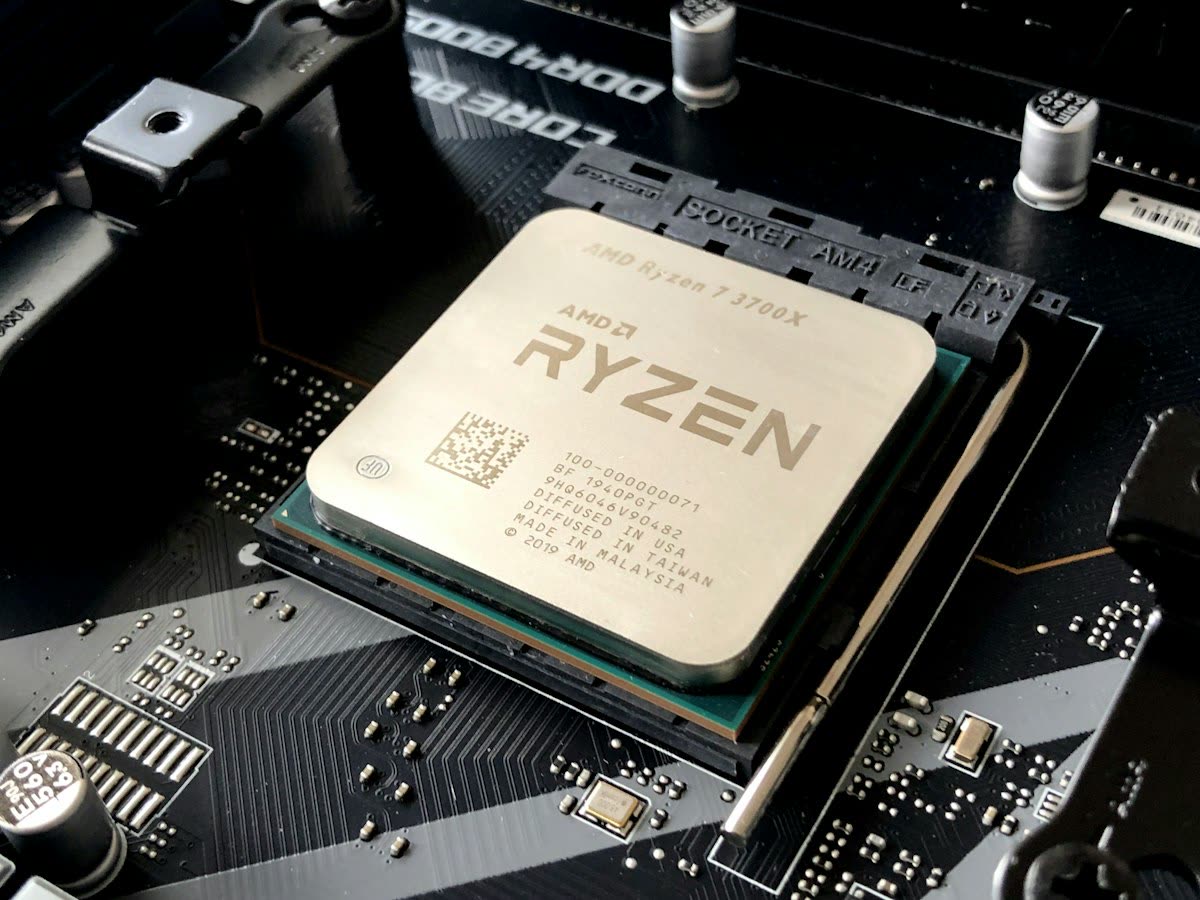
This prevents sweat, dust and oxidation of internal components while preserving a "neutral curve" design that adapts to every hand size and grip style. Just as AMD did with its Zen architecture, stripping away unnecessary complexity to focus on efficiency, the G Pro series gave players a pure sense of control instead of marketing frills.
Conclusion: Consistency, Not Marketing, Wins
The reign of the Logitech G Pro series on esports stages is not the result of over-the-top ad campaigns; it is the combined fruit of a flawless wireless protocol, a battery-saving optical sensor and neutral ergonomics.
At the end of the day, professionals don't choose gear that dazzles with its lights; they choose reliable tools that won't let them down halfway through a critical round or cast doubt on their reaction time.
Do you use a wireless mouse and keyboard in competitive games? Do you prefer the clean design of the G Pro series or gaming gear with aggressive lines? See you in the comments!