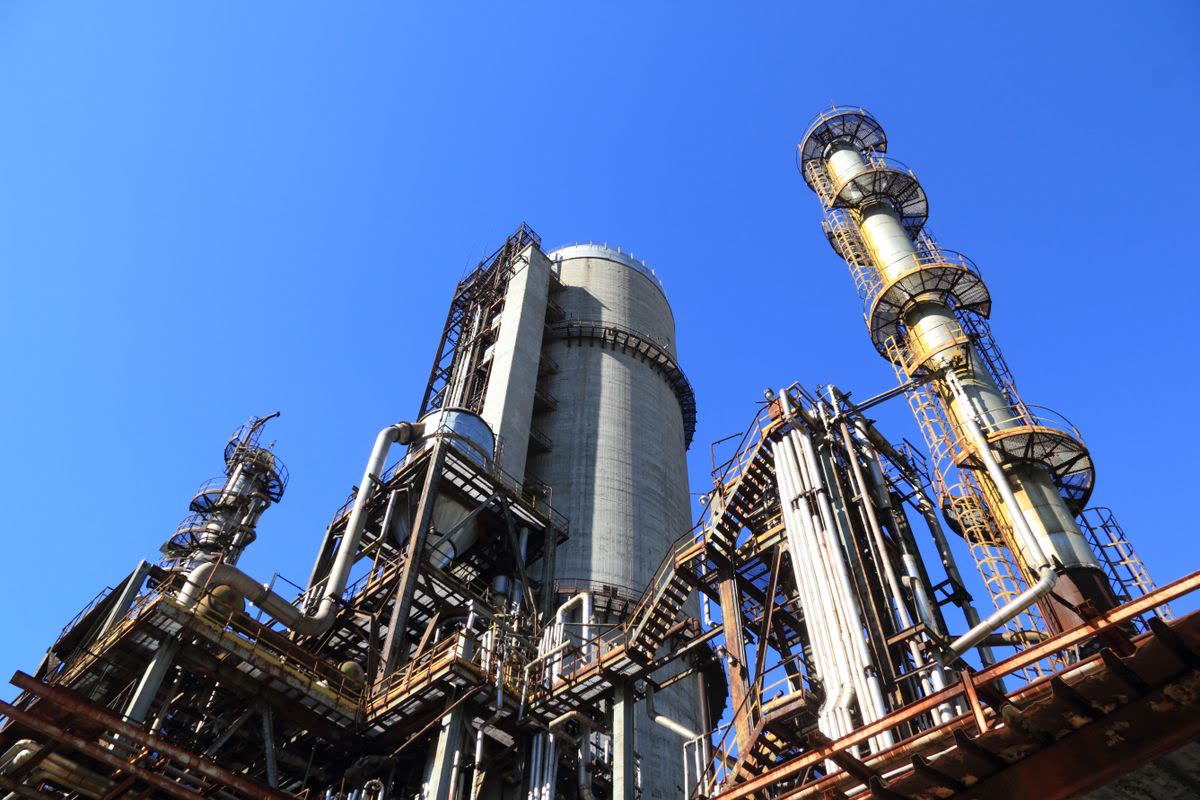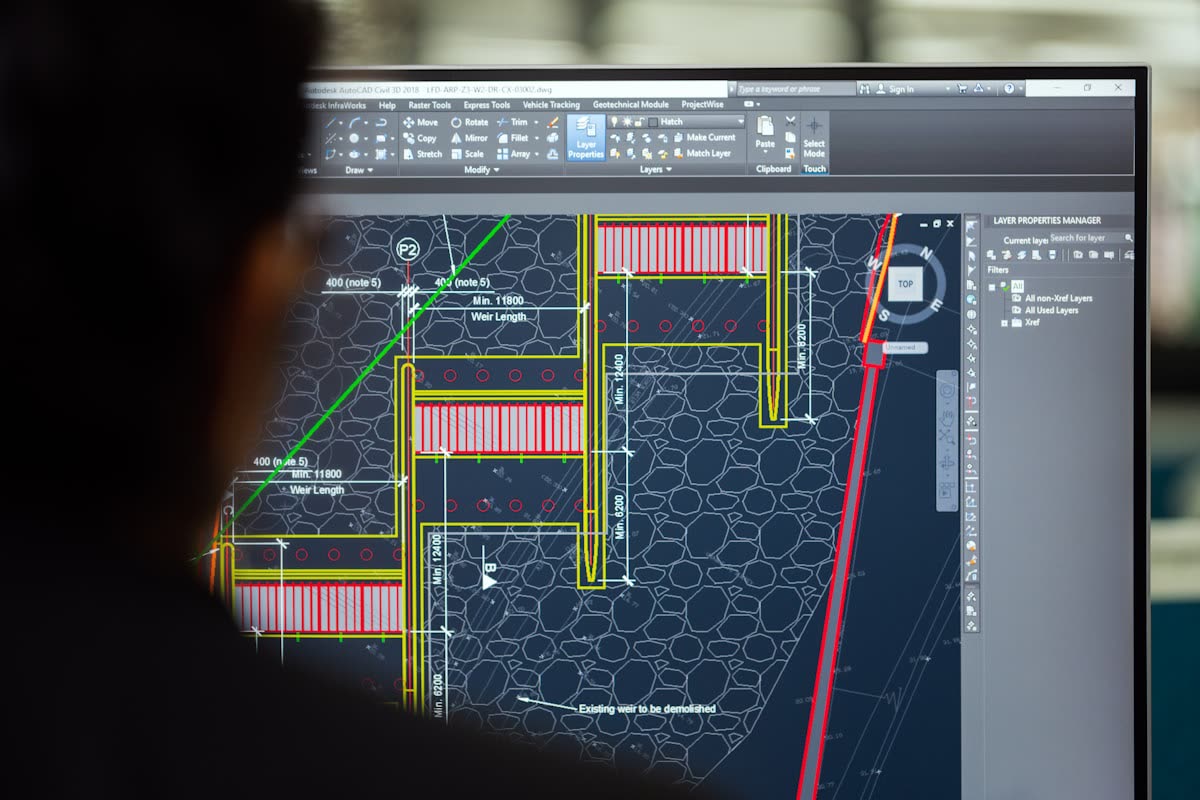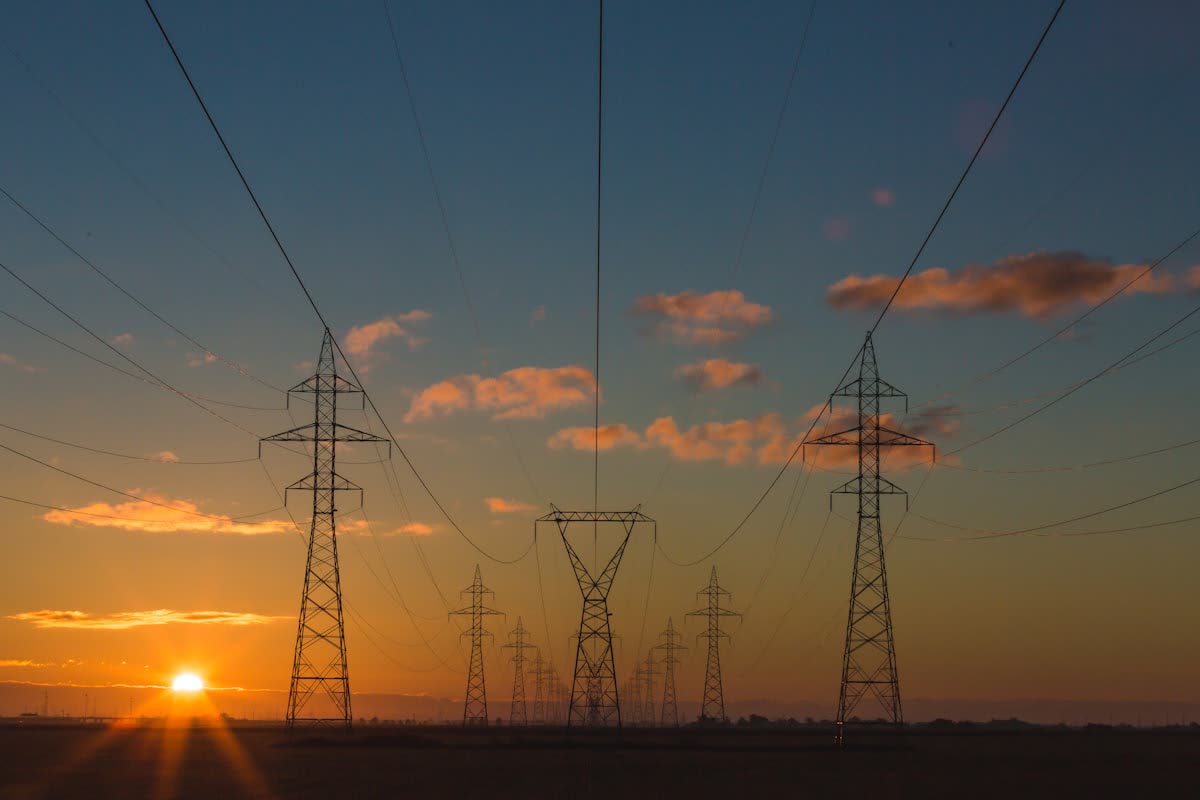
In popular science fiction films, futuristic supercomputers and AI cores are usually portrayed as silent, glowing crystal rooms that produce zero waste. In today's reality, however, the massive data centers processing millions of queries every second are industrial monsters that consume hundreds of megawatts of electricity, radiate enormous amounts of thermal energy and hum without pause.
In our earlier analysis, AI's Hidden Energy Load, we looked at the limits power grids are running into. Now we turn to the engineering side of the coin: Is it really possible to bring PUE close to 1.0, cool silicon without boiling it, and build green data centers?
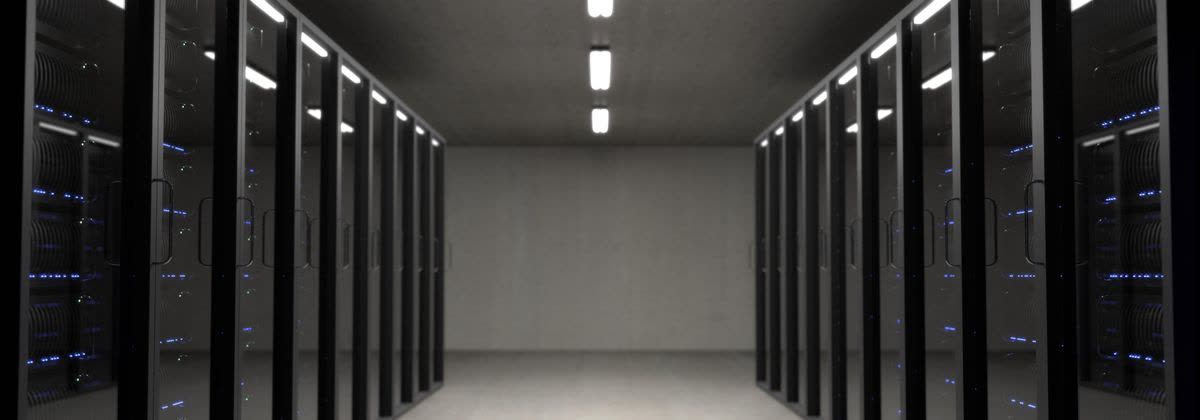
High-efficiency server racks: a power architecture that manages every single watt of energy intelligently.
The PUE Dilemma: The Holy Grail of 1.0
In data center engineering, the universal metric for energy efficiency is PUE (Power Usage Effectiveness). It is calculated by dividing the total electrical power entering the facility by the power used by the IT equipment that does the actual computing:
$$\text{PUE} = \frac{\text{Total Facility Power}}{\text{IT Equipment Power}}$$
In traditional data centers, PUE sits around 1.5 – 2.0. This means that for every 1 watt a server consumes, another watt is spent on cooling fans, lighting and power converters. The goal of green data centers is to bring this ratio down to 1.1 or below, in other words, to channel almost all of the energy into computation.
The End of Air Cooling: The Liquid Immersion Revolution
The high-speed fans spinning at thousands of RPM in a server cabinet are both extremely loud and responsible for close to 40% of the facility's electricity. But as next-generation chip architectures push the limits of thermal density, air's heat transfer coefficient has started to fall short.
The solution: two-phase immersion cooling. In this system, motherboards and processors are fully submerged in a special dielectric fluid that does not conduct electricity. As the chips heat up, the fluid boils and evaporates at around 50°C; the vapor is cooled on condenser coils and turns back into liquid. With mechanical fans taken out of the loop entirely, cooling energy costs drop by 90%.
- Gallium Nitride (GaN): With switching speeds many times higher than traditional silicon MOSFETs, it halves the size of power supplies (PSUs) and pushes efficiency above 96%.
- Silicon Carbide (SiC): Delivers minimal on-state resistance ($R_{DS(on)}$) under high voltage and high temperature, minimizing $I^2 \cdot R$ heat losses.
- HVDC (High-Voltage Direct Current): An approach that feeds server racks directly from 380V DC busbars to eliminate AC-DC conversion losses.
Circular Engineering: Heating Cities with Server Waste Heat
Green data centers are no longer positioned merely as energy consumers but as thermal power plants that supply energy to their surroundings. In new-generation facilities built in Northern European countries, 60°C hot water drawn from the server coolant loops is pumped directly into municipal district heating networks.
In other words, the waste heat released during the mathematical computations of LLMs keeps thousands of homes warm in winter, becoming a giant step on the road to zeroing out the carbon footprint.
Conclusion: The Future of Software Depends on Power Electronics
As AI models grow, the buildings that house them have to evolve from ordinary server warehouses into marvels of thermodynamics and power electronics.
The digital world of the future will rise not only in the hands of those who write the smartest AI algorithms, but also in the hands of visionary engineers who recover the heat silicon produces and return it to nature responsibly.
Do you think moving servers to the seabed or to polar regions could be a permanent solution for cooling data centers? Share your engineering ideas in the comments!